Hydromulching: A Versatile and Effective Solution for Lawn Establishment and Erosion Control
Hydromulching, also known as hydraulic mulching, is a powerful and cost-effective method for establishing vegetation and controlling erosion. This technique is widely used in residential, commercial, and agricultural applications because of its efficiency and versatility. Whether you need to establish a lush lawn, stabilize soil, or protect against erosion on slopes, hydromulching delivers superior results compared to traditional methods.
What Is Hydromulching?
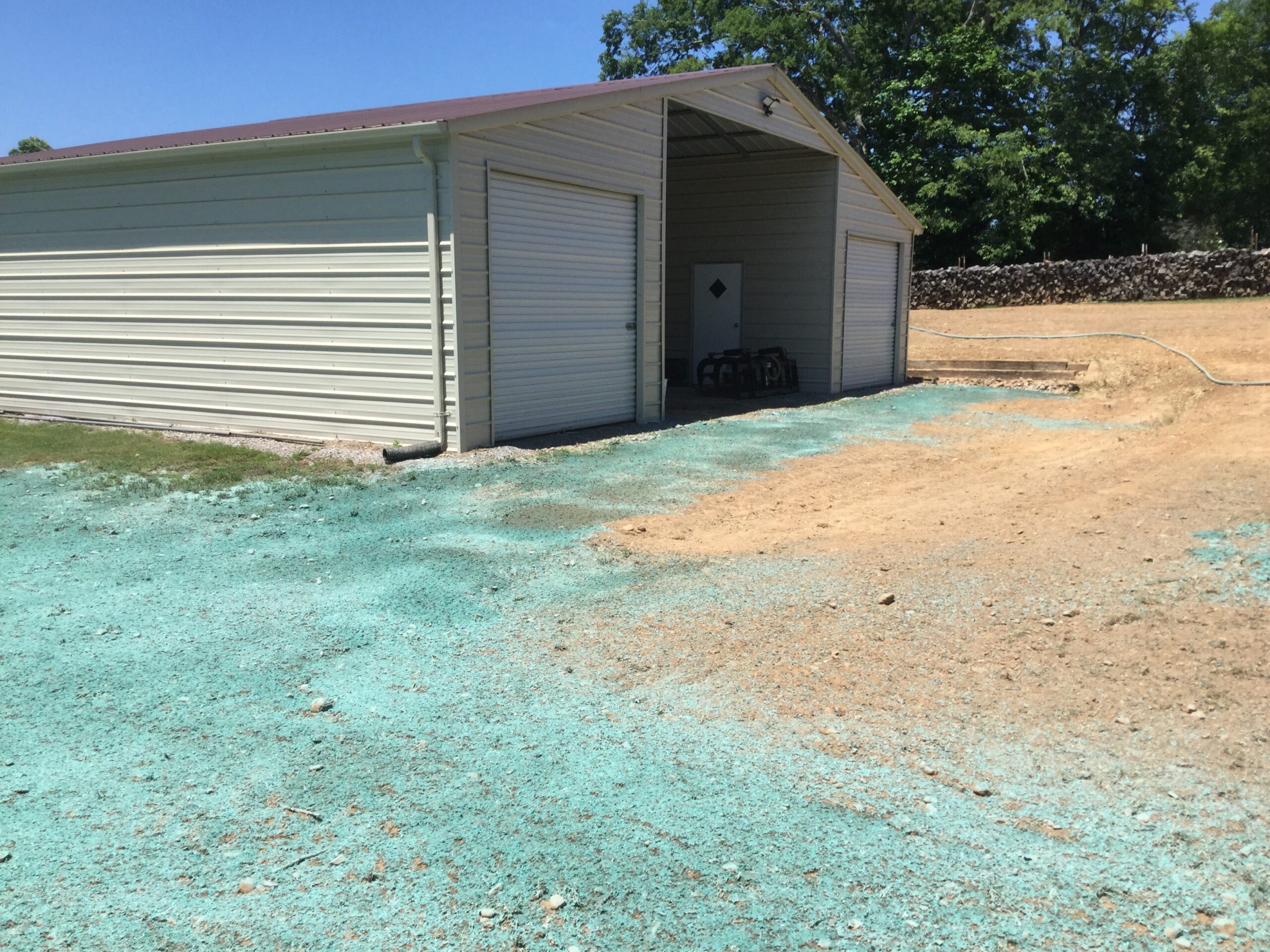
Hydromulching is a process that involves spraying a slurry made of water, mulch, seed, and other growth-enhancing additives like fertilizers, tackifiers, and soil conditioners onto prepared soil. The slurry is applied using specialized equipment, which ensures an even distribution across the surface.
The key ingredient that sets hydromulching apart from hydroseeding is the higher concentration of mulch. The mulch acts as a protective layer, holding moisture, shielding seeds from harsh weather, and providing a nutrient-rich environment for germination. This results in faster, more reliable plant growth and better soil stabilization.
Applications of Hydromulching
Hydromulching is a versatile solution suitable for a wide range of projects, including:
Residential Lawns
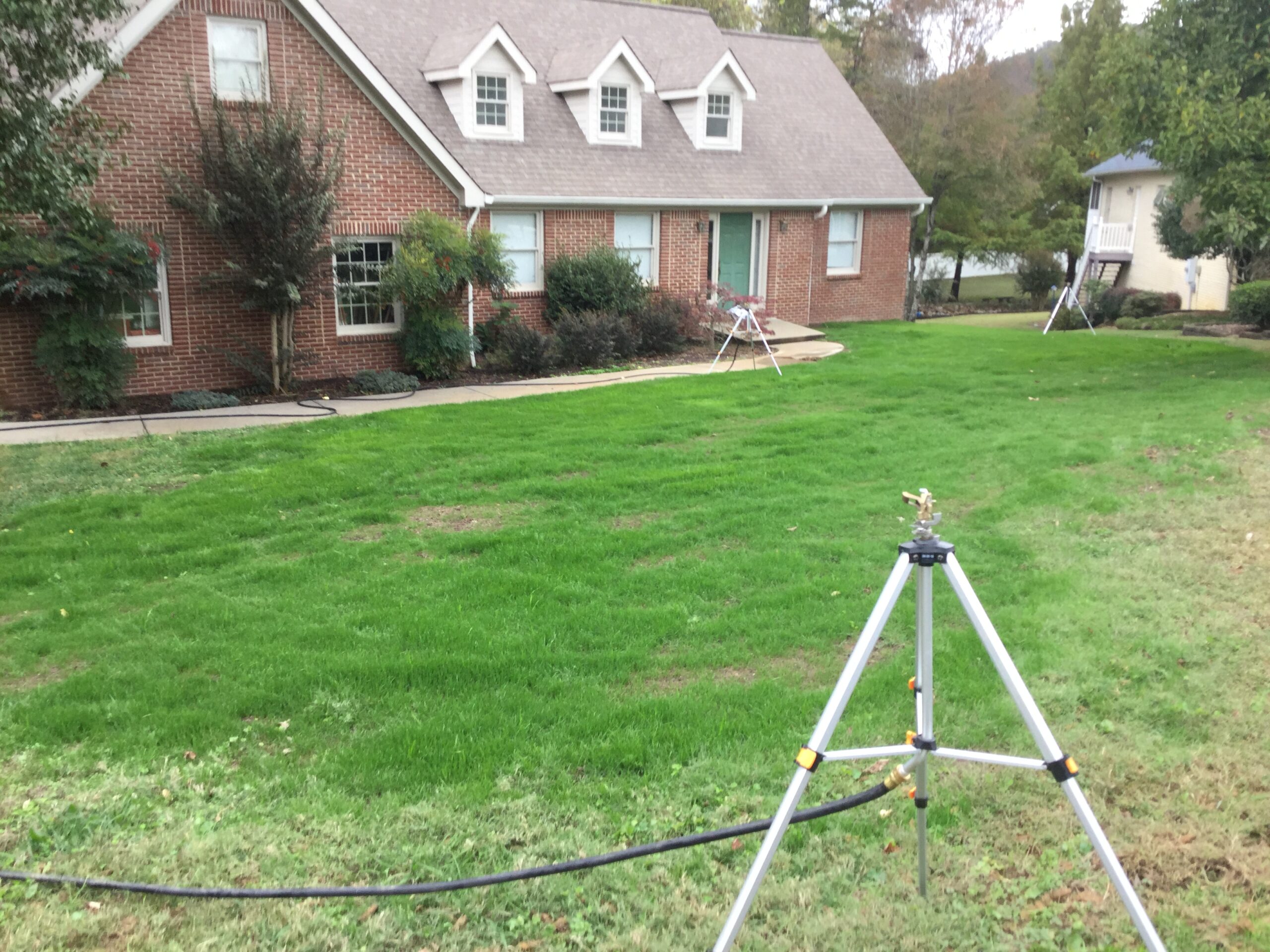
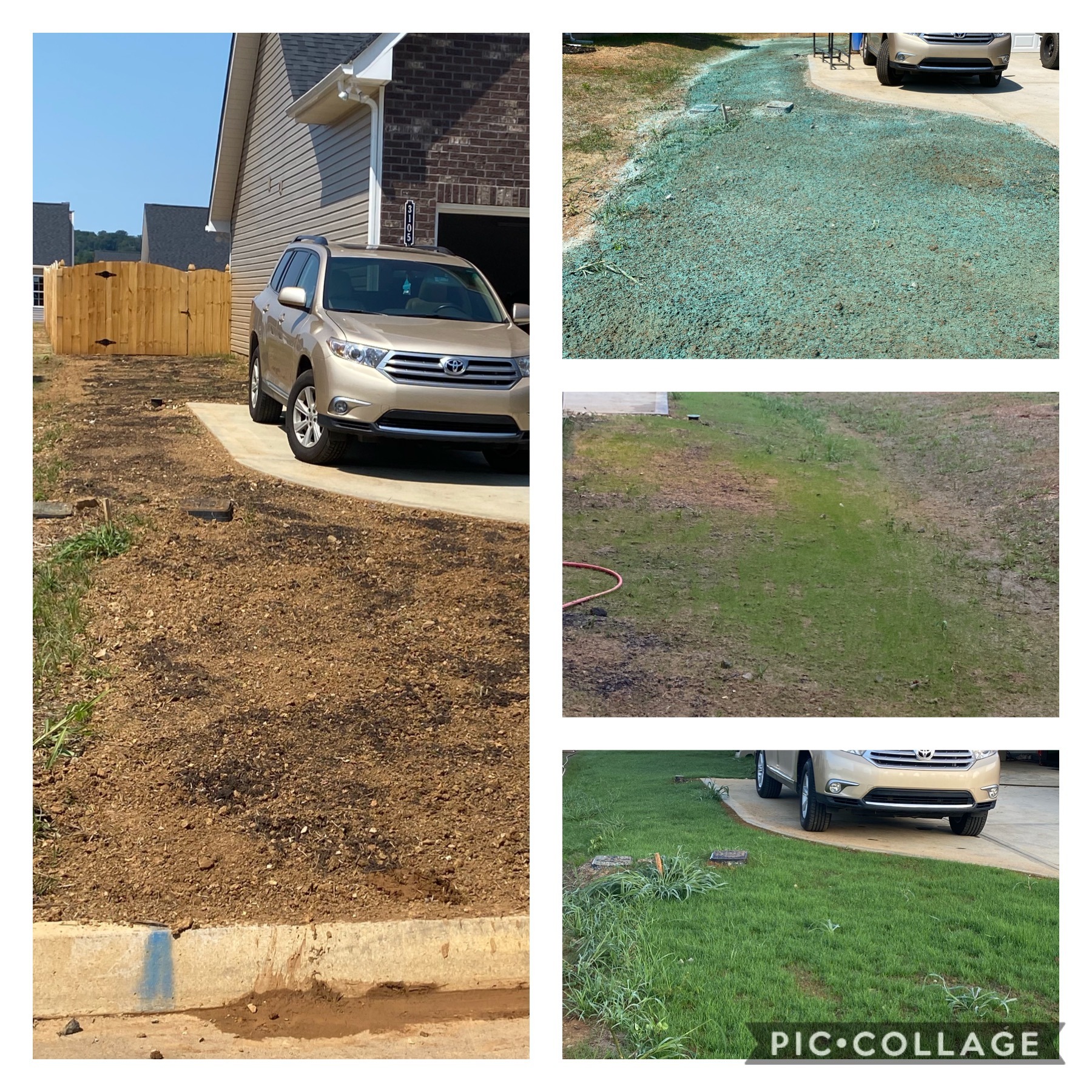
Hydromulching is an excellent alternative to sod or traditional seeding for homeowners who want a lush lawn without the high cost or labor-intensive process. It provides faster germination and uniform growth, ensuring a beautiful yard in a matter of weeks.
Erosion Control
For slopes, embankments, and areas prone to runoff, hydromulching offers a protective layer that prevents soil erosion. The mulch binds to the soil, reducing water and wind erosion while supporting vegetation growth.
Commercial Projects
Hydromulching is ideal for large-scale projects such as highways, industrial parks, sports fields, and golf courses. Its efficiency and cost-effectiveness make it the preferred choice for commercial landscaping needs.
Agricultural and Environmental Restoration
Farmers and environmental agencies use hydromulching to establish cover crops, reforest areas, and restore damaged ecosystems. It is particularly effective for replanting native vegetation or wildflowers in areas affected by deforestation or construction.